When "Bold Strategy" Becomes Your Hail Mary Pass
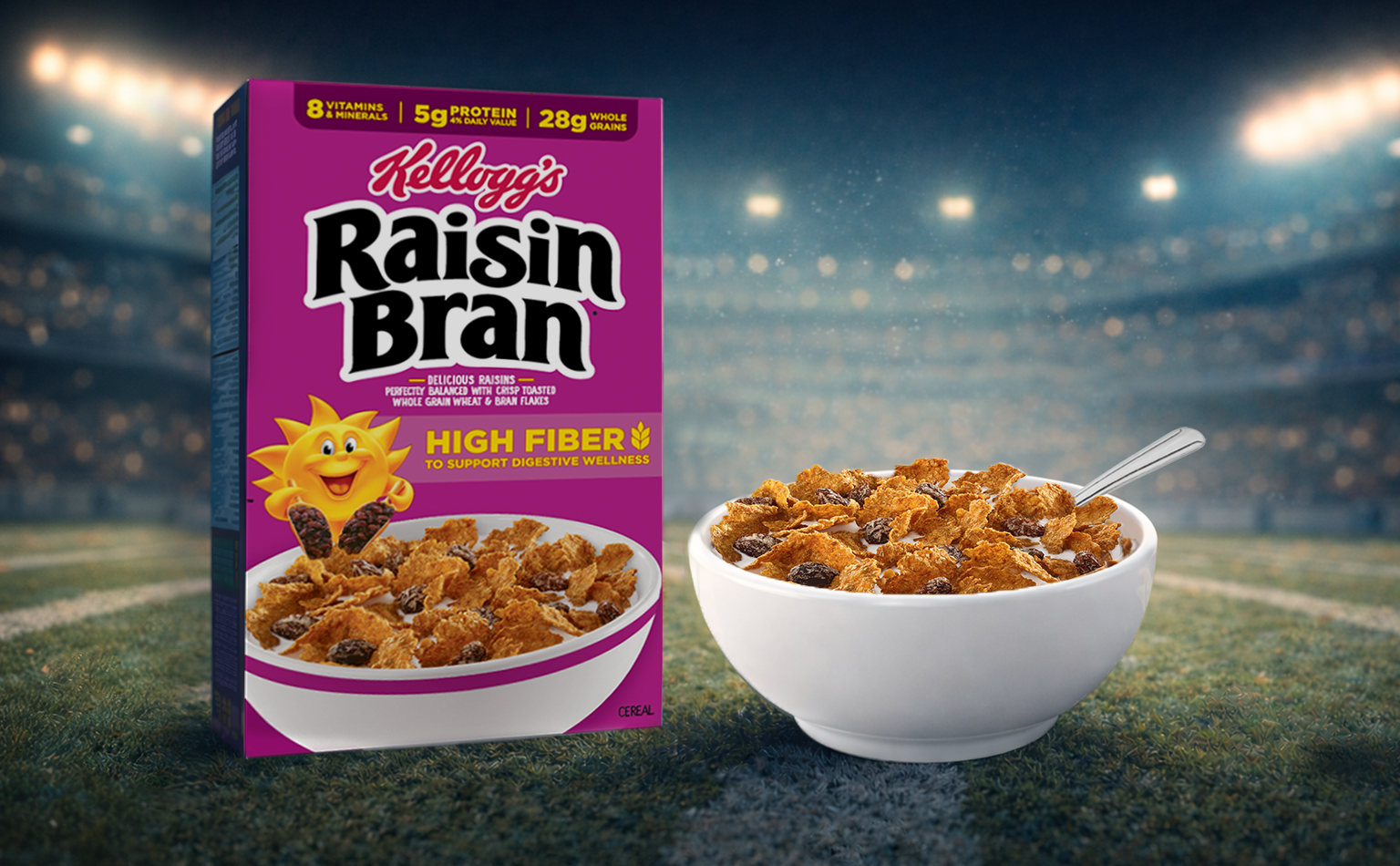
Hey there, fellow brand wranglers and creative chaos coordinators. As a brand manager and creative director who's spent more time in brainstorming sessions than I'd care to admit (spoiler: it's where the good coffee lives), I've got a confession: sometimes, what looks like a genius pivot is really just a brand scrambling to catch up. Today, I'm diving into Kellogg's recent swing toward "wellbeing" – not as a teardown or a textbook case study, but as a cheeky reminder about timing, inertia, and why waiting too long can turn evolution into a high-wire act. Grab your cereal bowl (or kale smoothie, no judgment), and let's unpack this with a dash of humor and some real-world marketing mishaps to keep it relatable.
The Pivot That Makes Total Sense... On Paper
First off, let's give credit where it's due: Kellogg's decision to reposition their cereals as a gateway to wellbeing isn't some wild fever dream. In a world where "healthy-ish" is the new black, cereals have shed their sugary-kid-cartoon vibes faster than you can say "Tony the Tiger's midlife crisis." Now, they're that easy morning win – like, "Hey, I ate something with whole grains today; adulting achieved!"
Think about it like Greek yogurt did back in the day. Brands like Chobani burst onto the scene, turning what was basically fancy curd into a protein-packed powerhouse that screamed "I'm healthy without trying too hard." Suddenly, everyone from busy execs to gym rats was on board. For Kellogg's, wellbeing isn't a stretch; it's the last untapped territory in a category that's been squeezed dry. But here's the rub – it's not what they're doing that's eyebrow-raising. It's when.
The Timing Trap: Why Yesterday Was Always Better
Imagine trying this shift a decade ago. The landscape? Wide open. Less competition meant you could whisper your new narrative without shouting over a dozen upstarts. Expectations were lower – consumers weren't yet bombarded with "superfood" claims from every aisle. Entrenched associations? Sure, but not as sticky as they are now after years of "part of a balanced breakfast" mantras. And risk? Minimal – no need for a blockbuster budget to break through the noise.
Fast-forward to today, and it's a different ballgame. This pivot demands a Super Bowl-sized spectacle, not because it's the classiest way to reposition (nuance and Super Bowl ads? Ha, good one), but because subtle tweaks just won't cut it anymore. It's like Blockbuster finally deciding to go digital in 2010, long after Netflix had mailed out a million DVDs and streamed their way into our hearts. By then, the move wasn't innovative; it was a desperate lunge in a crowded streaming arena, complete with high costs and skeptical eye-rolls from customers who'd already moved on.
Bold Moves or Just the Last Resort?
From the cheap seats, these pivots scream confidence – "Look at that brand taking a stand!" or "What a courageous leap!" But peek behind the curtain, and it often feels more like, "Uh, is this the only play we've got left that won't tank our quarterly numbers?" Not knocking the creativity (heaven knows, big brands have sharp minds), but decades of tweaking what already works can box you in tighter than a bad brief.
Take Kodak, for instance. They invented digital photography but clung to film like it was their security blanket, optimizing for the analog world while startups ate their lunch. By the time they pivoted boldly to digital in the early 2000s, the market was flooded, and their "bold strategy" looked more like a last-ditch effort to avoid bankruptcy court. Sound familiar? It's not about lacking imagination; it's about inertia turning options into obligations.
Why the Delay? Blame the Big Brand Blues
In a perfect world, category giants like Kellogg's would lead the charge: educating consumers, crafting fresh stories, and staking claims before the little guys even lace up. But reality? Large FMCG brands are like ocean liners – massive scale means they're great at cruising but terrible at quick turns. Experimenting early risks torpedoing your hero products, messing with consumer habits, or gumming up the supply chain efficiency that's your bread and butter (pun very much intended).
So, what happens? Innovation gets postponed, watered down, or shoved into a "test market" Siberia. Meanwhile, nimble challengers swoop in. Remember how big soda brands like Coke dragged their feet on sugar-free options? They optimized around classic formulas while upstarts like Zevia or smaller craft sodas normalized "natural" and "low-cal" narratives. By the time Coke went all-in with Coke Zero, they weren't pioneers; they were playing catch-up in a space already buzzing with alternatives, forcing bigger, bolder (and pricier) campaigns to reclaim mindshare.
When Strategy Feels Like Putting Out Fires
Don't get me wrong – Kellogg's move isn't a flop waiting to happen. Skipping it altogether? That'd be brand suicide. But framing it as a serene, strategic evolution? Nah, it's more like a high-octane reset, betting the farm on one big swing because the window for quiet changes slammed shut ages ago.
Picture Gap's infamous 2010 logo redesign. What started as an attempt to modernize turned into a PR nightmare – not because updating was wrong, but because they'd waited so long that any change felt jarring and forced a massive, public backpedal. If it bombs, good luck finding another shot with that kind of firepower. It's necessary, sure, but risky as heck.
The Messy Middle We Sweep Under the Rug
Marketing chats are all about the wins: visionary leaders, tidy turnarounds, and happily-ever-afters. But let's talk about the awkward limbo – when the old playbook's toast, the new one's a mosh pit of competitors, and pivoting costs an arm, a leg, and your marketing budget's firstborn.
BlackBerry nailed this in-between hell. Once the smartphone king, they optimized for enterprise email while iPhones redefined "smart" with apps and touchscreens. By the time BlackBerry 10 launched as their "bold reinvention," the market was saturated, costs were astronomical, and the narrative shifted from leader to laggard. No easy answers, just tough trade-offs. It's uncomfortable, but hey, that's strategy for you – not always a TED Talk triumph.
A Low-Key Lesson for Us All
I'm not here to dunk on Kellogg's choice; in today's market, it might be the smartest path they've got. But it's a solid nudge for brands (and yeah, even for me in my creative director hat): Earn that experimentation cred early. Test wild ideas when the stakes are low, and your future pivots won't need to be dramatic fireworks shows.
Look at Nike – they've been tinkering with everything from sustainable materials to tech-infused gear for years, normalizing "innovation" as their DNA. No massive, do-or-die resets; just steady evolution that keeps them ahead. Sometimes, those "bold moves" aren't bravado; they're the clock striking midnight on procrastination.
What do you think? Ever been in a brand pivot that felt more like a plot twist? Until next time, keep your strategies timely and your humor intact. Cheers!